Old English Font 0-9: A Stylish Choice for Embroidery Projects
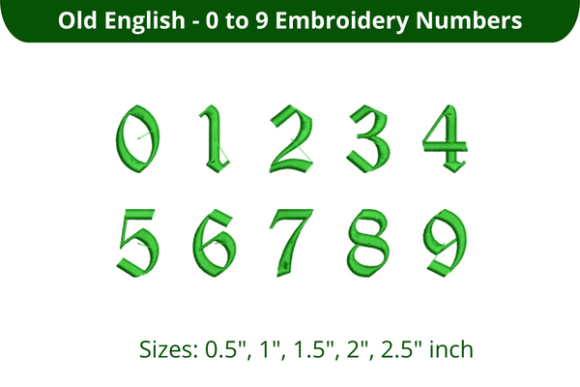
The Old English Font 0-9 is a distinctive embroidery font that blends historical charm with modern usability. Designed for those who appreciate the elegance of traditional lettering, this font offers a unique way to personalize fabric-based projects. Whether you're creating custom clothing, home décor, or personalized gifts, the Old English Font 0-9 provides a sophisticated look that stands out from standard fonts.
This high-quality embroidery font is ideal for adding names, dates, or quotes to any fabric. Its intricate details and ornate style make it particularly well-suited for formal or decorative applications. The font's design draws inspiration from historical calligraphy, giving it a timeless appeal that can elevate the aesthetic of any embroidered piece.
Why Choose Old English Font 0-9?
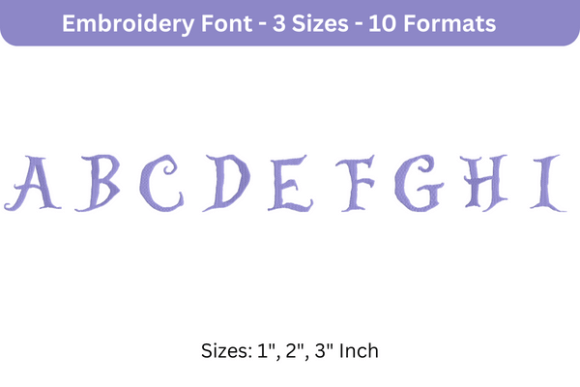
One of the primary reasons someone might be interested in the Old English Font 0-9 is its visual appeal. The font’s distinct characters offer a level of detail and character that many other fonts lack. This makes it a popular choice for those looking to create custom embroidery that feels handcrafted or vintage-inspired.
Additionally, the Old English Font 0-9 comes with multiple embroidery file formats, ensuring compatibility with a wide range of embroidery machines. This versatility allows users to work with different software and equipment, making it a practical option for both hobbyists and professionals.
Another benefit of this font is its adaptability. It can be used on various types of fabric, including cotton, denim, and even more delicate materials. This flexibility means that users can apply the font to a broad range of projects, from personalized t-shirts to decorative wall art.
Considerations and Tradeoffs
While the Old English Font 0-9 has many advantages, there are some factors to consider before deciding to use it. One potential tradeoff is the complexity of the font itself. Because of its detailed design, the font may require more time and precision when stitching, especially on smaller or more intricate sections. This could be a challenge for beginners or those working with limited time.
Another consideration is the font’s suitability for certain applications. While it excels in decorative or formal settings, it may not be the best choice for projects that require clear, simple text. For example, if the goal is to create a label or tag with straightforward information, a more minimalist font might be more appropriate.
Users should also be aware of the technical requirements for using the font. Depending on the embroidery machine and software being used, some adjustments may be necessary to ensure the font stitches correctly. This could involve resizing, adjusting spacing, or modifying the design to fit specific fabric sizes.
Situations Where It’s a Strong Fit
The Old English Font 0-9 is particularly well-suited for projects that emphasize style and tradition. For instance, it works well for wedding-related embroidery, such as monogramming bridal gowns, table linens, or personal items like handkerchiefs. Its classic appearance aligns with the romantic and elegant themes often associated with weddings.
It is also a great choice for customizing home décor items, such as throw pillows, curtains, or wall hangings. These pieces often benefit from a touch of sophistication, and the Old English Font 0-9 can add that extra layer of visual interest. Additionally, it can be used for creating personalized gifts, such as engraved bags, jackets, or accessories, where a unique and stylish touch is desired.
For those involved in craft fairs, small businesses, or custom embroidery services, the Old English Font 0-9 offers a way to differentiate their work. By offering clients a font with a distinct look, creators can provide more tailored options that stand out from mass-produced designs.
When Alternatives May Be Better
In some cases, alternatives to the Old English Font 0-9 may be more suitable. For example, if the project requires a clean, modern look, a sans-serif or script font might be a better fit. These fonts often provide a more contemporary feel and can be easier to read at smaller sizes.
For users who prioritize speed and efficiency, simpler fonts may be preferable. Fonts with fewer details tend to stitch faster and require less setup, which can be beneficial for large-scale projects or time-sensitive tasks. In such scenarios, the Old English Font 0-9 might not be the most practical choice.
Additionally, users with limited experience in embroidery may find that more straightforward fonts are easier to work with. The Old English Font 0-9’s complexity could lead to challenges in achieving consistent results, especially if the user is unfamiliar with adjusting design parameters for optimal stitching.
Decision-Making Insights
When evaluating whether the Old English Font 0-9 is right for a project, it’s important to consider the intended purpose and audience. If the goal is to create something visually striking or historically inspired, this font can be an excellent choice. However, if clarity and simplicity are more important, other fonts may be more effective.
Users should also assess their skill level and available resources. Those with experience in embroidery and access to compatible software may find the Old English Font 0-9 to be a valuable addition to their toolkit. For beginners, it may be helpful to start with simpler fonts before experimenting with more complex styles.
Finally, testing the font on a small scale can help determine its effectiveness. By creating a sample design and reviewing the results, users can gain a better understanding of how the font performs in practice. This can inform decisions about whether to use it for larger or more critical projects.
Overall, the Old English Font 0-9 offers a unique blend of style and functionality that can enhance a wide range of embroidery projects. By carefully considering its strengths, limitations, and suitability for specific needs, users can make informed decisions about whether it aligns with their goals and expectations.