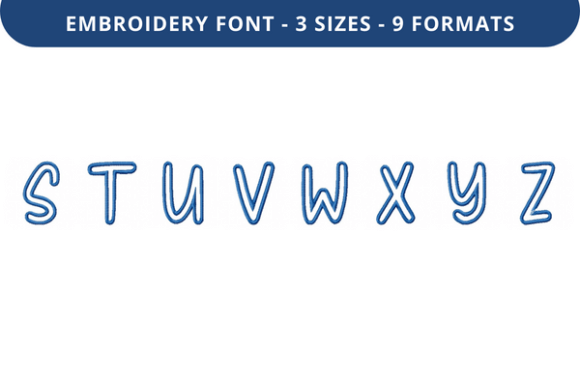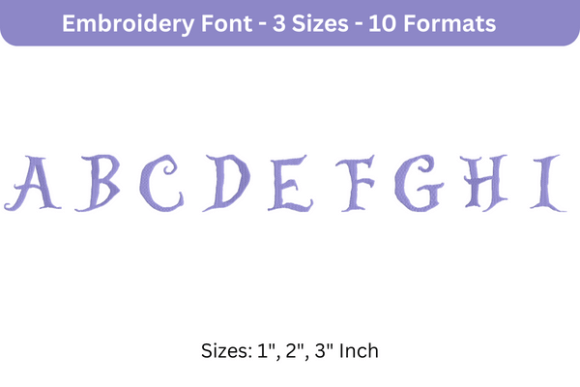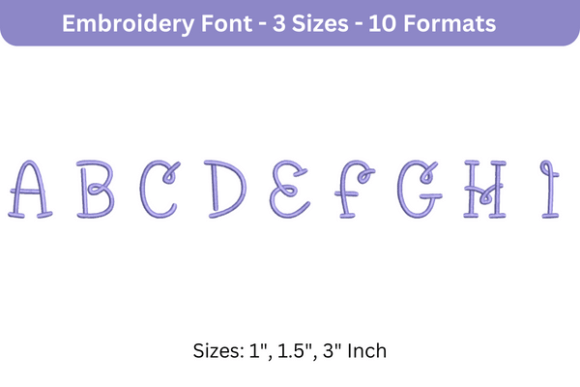
BumbleBee Font a to I: A Creative Tool for Embroidery Enthusiasts
The BumbleBee Font a to I is more than just a collection of letters; it's a versatile and expressive tool that empowers creators to add a personal touch to their embroidery projects. Whether you're an experienced embroiderer or just starting out, this font offers a unique blend of clarity, style, and functionality that can elevate your work. With its clean lines and elegant curves, the BumbleBee Font a to I is ideal for adding names, dates, quotes, or even custom messages to fabric.
One of the standout features of this font is its adaptability. It comes in multiple embroidery file formats, making it compatible with a wide range of embroidery machines. This ensures that whether you're using a basic home machine or a professional-grade industrial one, you can seamlessly integrate the BumbleBee Font a to I into your workflow. The flexibility of the file types also means that you can easily transfer designs between different software platforms, giving you more control over your creative process.
Applications of BumbleBee Font a to I in Embroidery Projects
The BumbleBee Font a to I is particularly well-suited for personalized embroidery projects. For instance, it can be used to create custom name tags for clothing, bags, or towels. These are not only practical but also serve as a great way to express individuality. Imagine a child’s backpack with their name embroidered in this font—each stitch adds a personal touch that makes the item uniquely theirs.
Another popular use case is in wedding or event-related embroidery. Couples often choose to have their names or the event date embroidered onto items such as table linens, bridesmaid dresses, or even invitations. The BumbleBee Font a to I provides a stylish yet readable option for these occasions, ensuring that the design is both elegant and legible.
For those who enjoy creating custom gifts, the BumbleBee Font a to I can be a valuable asset. Whether it's a personalized mug, a quilt, or a decorative pillow, the font allows for intricate and detailed lettering that stands out. Its versatility also makes it suitable for both traditional and modern designs, allowing users to experiment with different styles and combinations.
Advantages of Using BumbleBee Font a to I
One of the key advantages of the BumbleBee Font a to I is its readability. Unlike some fonts that may be too ornate or difficult to decipher, this font strikes a balance between aesthetics and functionality. This makes it especially useful for projects where the text needs to be clearly visible, such as on clothing or signage.
Additionally, the font is designed with embroidery in mind. Each letter is structured to ensure smooth stitching without excessive thread breaks or complicated patterns. This not only saves time but also reduces the risk of errors during the embroidery process. For professionals, this means more efficient production and fewer rework hours.
The availability of multiple file formats is another significant benefit. Users can choose the format that best suits their machine and software preferences. Common formats include DST, PES, EXP, and HUS, among others. This level of compatibility ensures that the font can be used across different platforms and devices, offering greater convenience and flexibility.
Considerations When Using BumbleBee Font a to I
While the BumbleBee Font a to I is highly versatile, there are a few considerations to keep in mind. First, the size of the font should be appropriate for the project at hand. Some embroidery machines may have limitations on the maximum size of the design, so it's important to check the specifications before proceeding.
Another factor to consider is the type of fabric being used. Different materials may require adjustments in stitch density or thread tension to achieve the best results. For example, delicate fabrics may need a lighter touch, while heavier materials might require more robust stitching. Understanding these nuances can help ensure that the final product looks polished and professional.
Users should also be mindful of the design layout. While the BumbleBee Font a to I is easy to read, it's important to leave enough space between letters and words to maintain clarity. Overcrowding the design can lead to a cluttered appearance, which may detract from the overall aesthetic.
Exploring Creative Possibilities with BumbleBee Font a to I
The BumbleBee Font a to I opens up a world of creative possibilities for those interested in embroidery. It can be combined with other fonts or decorative elements to create unique and eye-catching designs. For instance, pairing it with a script font can add a touch of elegance, while using it alongside geometric shapes can introduce a modern twist.
Artists and designers can also experiment with color and texture. By using different thread colors or combining the font with other embroidery techniques, such as shading or cross-stitching, they can create multi-dimensional effects that add depth and interest to their work. This level of customization allows for endless variations and encourages innovation.
For educators and students, the BumbleBee Font a to I can be a valuable teaching tool. It provides a clear and consistent example of how fonts are structured for embroidery, helping learners understand the relationship between digital design and physical execution. This can be particularly useful in workshops or classroom settings where hands-on experience is essential.
Conclusion
The BumbleBee Font a to I is a powerful and flexible resource for anyone involved in embroidery. Its combination of readability, adaptability, and aesthetic appeal makes it a valuable addition to any designer's toolkit. Whether you're looking to personalize an item, create a custom gift, or explore new creative avenues, this font offers a reliable and effective solution. By understanding its features and applications, users can make the most of this versatile tool and bring their embroidery visions to life.